2026-09-09 ·
How Tree Roots Affect Sewer Lines In Davenport Neighborhoods
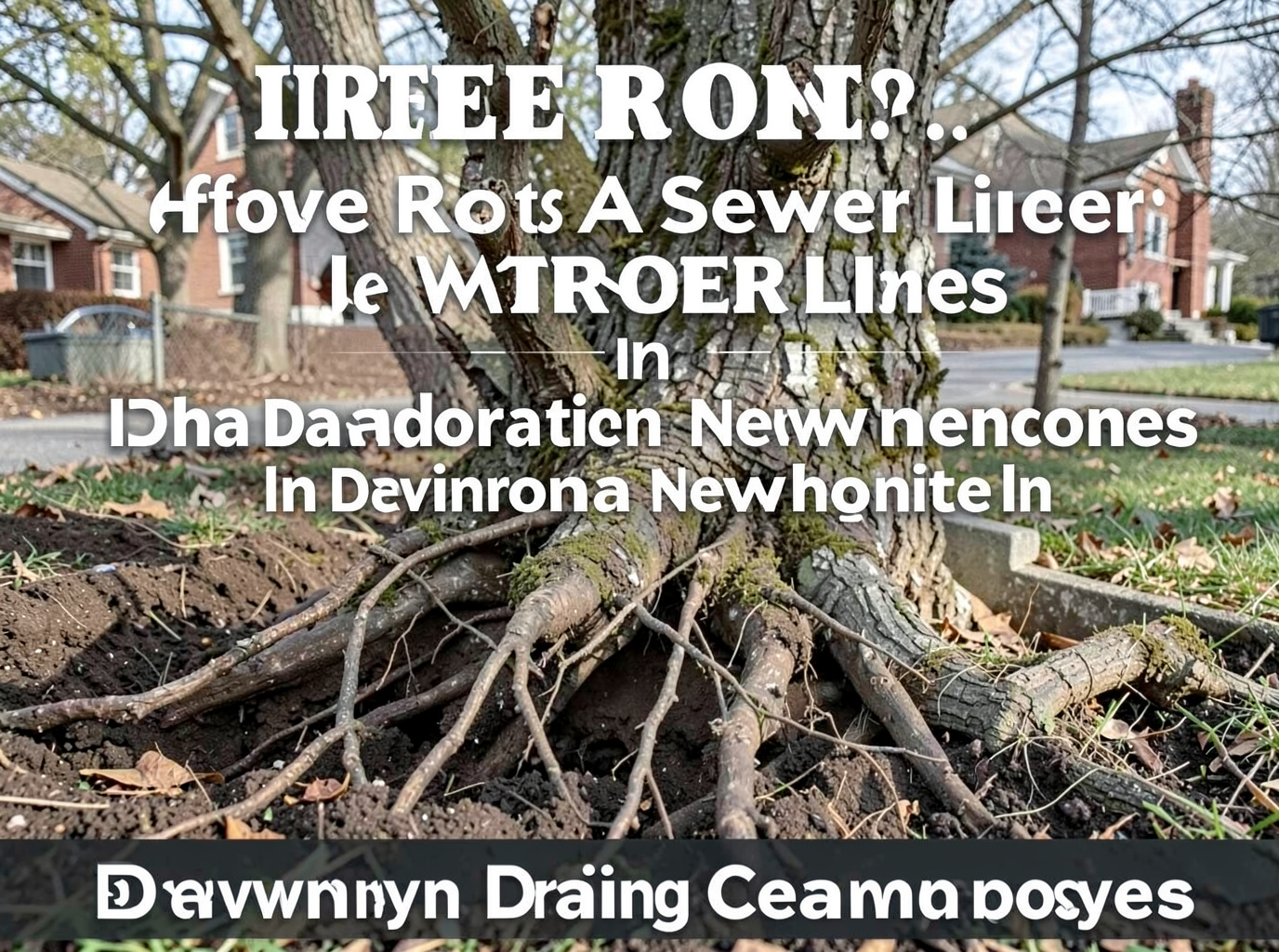
Tree roots reach sewer lines in Davenport neighborhoods within a few growing seasons when mature trees sit near older clay or cast iron pipes common in Downtown and East Village homes. The humid continental climate drives roots toward consistent underground moisture sources during both hot summers and cold winters, particularly where soil shifts near the Mississippi River corridor.
Root Behavior in Scott County Soil Conditions
Davenport sits on varied soils that retain pockets of moisture even through dry spells, drawing roots from maples, oaks, and elms planted decades ago along streets in the West End and Northwest. These roots follow the path of least resistance into small pipe joints or cracks, expanding as they absorb water from the line. In areas with older housing stock built before modern PVC standards, the porous clay pipes provide an easy entry point. Seasonal temperature swings cause soil expansion and contraction that widens existing gaps, allowing finer root hairs to enter first. Over repeated cycles the roots thicken inside the pipe, restricting flow and creating backups that surface during heavy rain events tied to the river basin.
Neighborhood Differences Across Davenport
Homes in Downtown and East Village often feature mature street trees whose roots travel under sidewalks to reach sewer laterals, while properties in the West End sit closer to river-influenced water tables that keep roots active longer into fall. Northwest sections show similar patterns where larger lots allow bigger trees nearer to utility easements. The same conditions appear across the river in Bettendorf, where comparable older infrastructure meets similar tree cover. Residents notice slower drains first in lower levels or during spring thaws when roots that grew through winter suddenly block flow. These differences stem directly from housing age and tree placement rather than uniform county-wide factors.
Seasonal Climate Effects on Root Intrusion
Hot summers push roots deeper in search of the steady water supply inside sewer lines, while cold winters slow above-ground growth yet keep roots seeking warmth and moisture below the frost line. The humid continental pattern creates repeated wet-dry cycles that stress pipe joints in older Scott County homes. After periods of heavy Mississippi River rain, saturated soil encourages even more aggressive root expansion once conditions dry. This cycle repeats annually and explains why lines that functioned for years suddenly clog during specific seasons rather than randomly.
Practical Steps Using Local Inspection Methods
A Sewer Camera Inspection reveals root location and pipe condition without excavation, allowing targeted work in neighborhoods where trees sit close to laterals. When roots are confirmed, Tree Root Removal clears the line mechanically before regrowth occurs. Property owners in Downtown or East Village can also review What Heavy Mississippi River Rain Does To Local Drains for patterns that combine with root issues, and check Preventing Frozen Drain Lines During Davenport Winters to understand how cold weather compounds the problem. Regular monitoring fits the realities of older infrastructure rather than waiting for complete blockages.